Threats
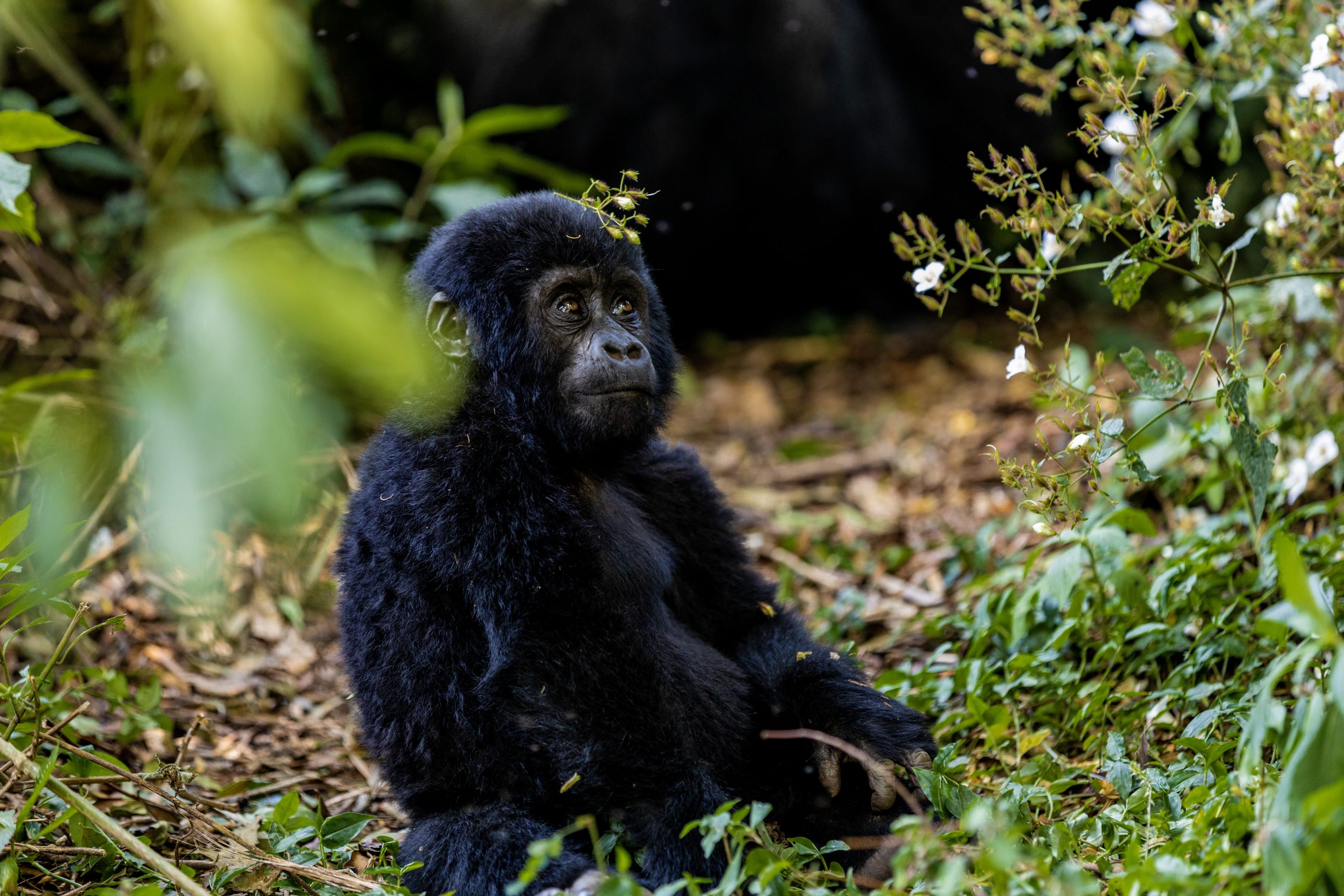
In the 1980s, it was believed that less than 400 mountain gorillas remained worldwide. At such a precariously low number, the survival of the species was in doubt. Thanks to conservation efforts over the ensuing decades, that number has risen to just over a thousand. There is hope for the future of the mountain gorillas, but they continue to face many serious threats including habitat loss, disease, poaching, and civil unrest.

Habitat Loss
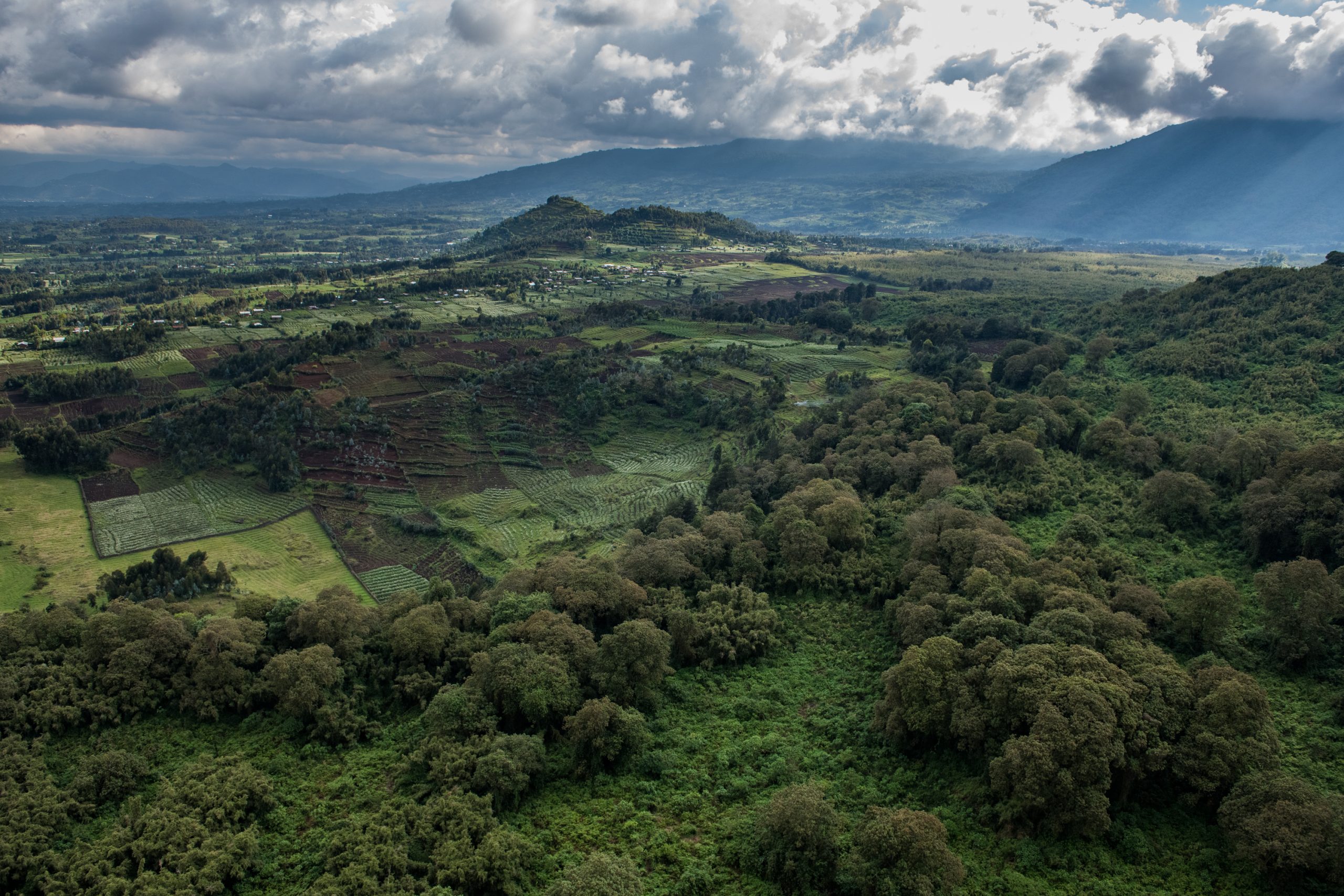
The primary threat to mountain gorillas is from the clearance and degradation of their native afromontane forest home.
As the region’s growing human population struggles to eke out a living, they encroach on the park system for its land and resources. Conversion of land for agriculture and competition for limited natural resources such as firewood lead to varying degrees of deforestation.
Preserving the mountain gorilla’s forest habitat requires developing sustainable alternatives and investing in new economic activities that allow people to meet their daily needs. Tourism in particular boosts the local economy and encourages locals to see gorillas not as competitors but as a means of improving their own situation.
Past threats of mining and oil exploration in the area have abated thanks to advocacy work. You can help prevent the risk of future resource exploitation by sharing the story of the mountain gorillas.
Disease
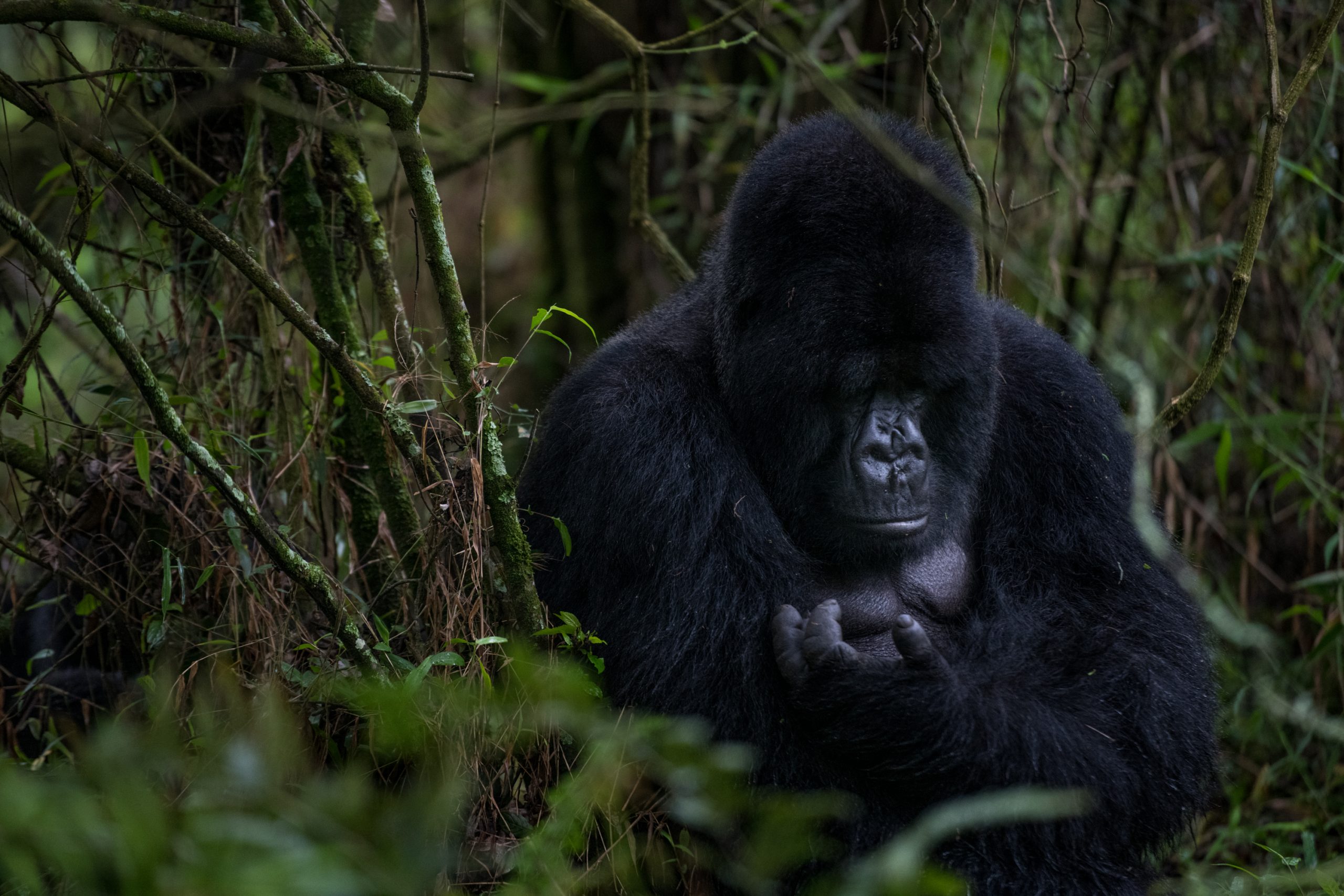
Gorillas are closely related to humans with similar anatomical and physiological features. This makes them vulnerable to many of the same diseases. Because the gorillas have not developed the necessary immunities, first time exposure to an illness or virus that is relatively innocuous to humans may devastate an entire population. Gorillas live in small groups that may never recover from a sudden fall in numbers brought on by disease. Any human contact is potentially harmful, even life-threatening.
Tourists who visit the gorillas are instructed to keep their distance (7 meters), but conservationists, scientists, rangers, poachers, militia groups and local communities also pose threats. Some gorillas have already succumbed from common skin diseases like scabies and mange, or respiratory disease, which can quickly spread from group to group as families interact. Debris left behind in the park by refugees, poachers, and the military is routinely cleared in order to minimize the contamination risk to wildlife, and a health education program is helping to combat the threat of disease.
Poaching
In the first two decades after the discovery of mountain gorillas, European and American scientists and trophy hunters killed over fifty of them. In the 1960s and 1970s, gorillas were poached for sale to foreigners as trophies and captive specimens. None survived in captivity. Recent events have shown that hunting commissioned by unscrupulous dealers in order to capture mountain gorilla babies remains a very real threat.
Tragic incidents of direct poaching, either the killing of mountain gorillas or capture of infants for the live animal trade, occurred throughout the mountain gorilla range in 2002, 2004, 2007. In 2007, an entire family of mountain gorillas was killed by locals, a political act aimed at forcing the park open to resource exploitation.
Orphans from this family were rescued and cared for at the Senkwenkwe facility in Rumangabo. In 2013, they were joined by Matabishi, an infant recovered outside of Virunga National Park, abandoned in a field with clear signs of being held captive.
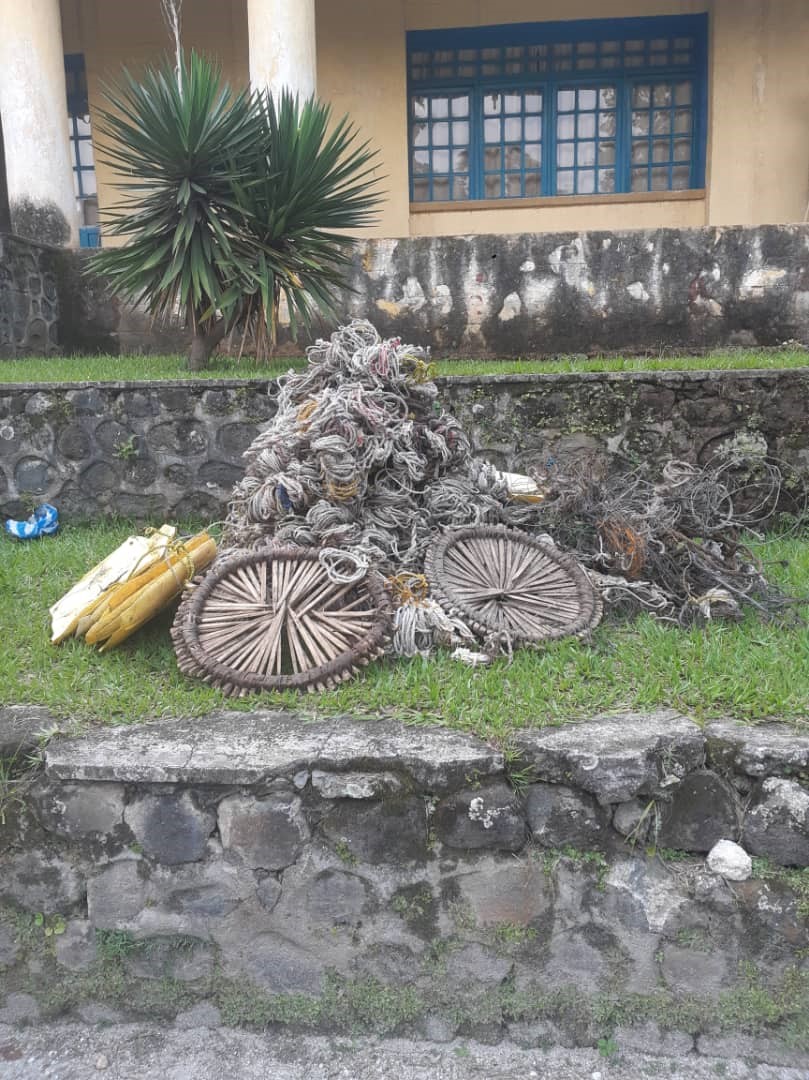
While the poaching of mountain gorillas for food is extremely rare, unselective hunting with snares (set to catch antelopes, bush pigs, and other wildlife) kills or injures mountain gorillas. And to this day poaching continues to jeopardize the mountain gorillas’ survival. Just this year, four poachers were arrested in the Southern Sector of Bwindi Impenetrable National Park following the death of a gorilla known as Rafiki, the Silverback of the famous Nkuringo group.
Civil Unrest
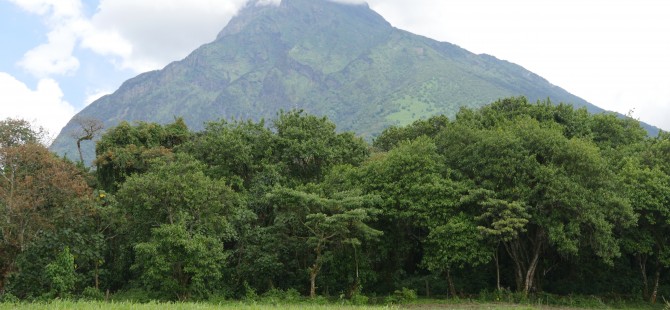
The Rwandan genocide in 1994 was followed by years of civil war in the DRC. Refugees from both conflicts have come to the area near the mountain gorilla park networks, and the parks have been battlegrounds and shelter for militias. More than 100 rangers have died protecting the park system from outside threats.
Other threats to the mountain gorillas include disruptions to mountain gorilla health and behavior, disenfranchisement among local communities, and climate change.