About Us
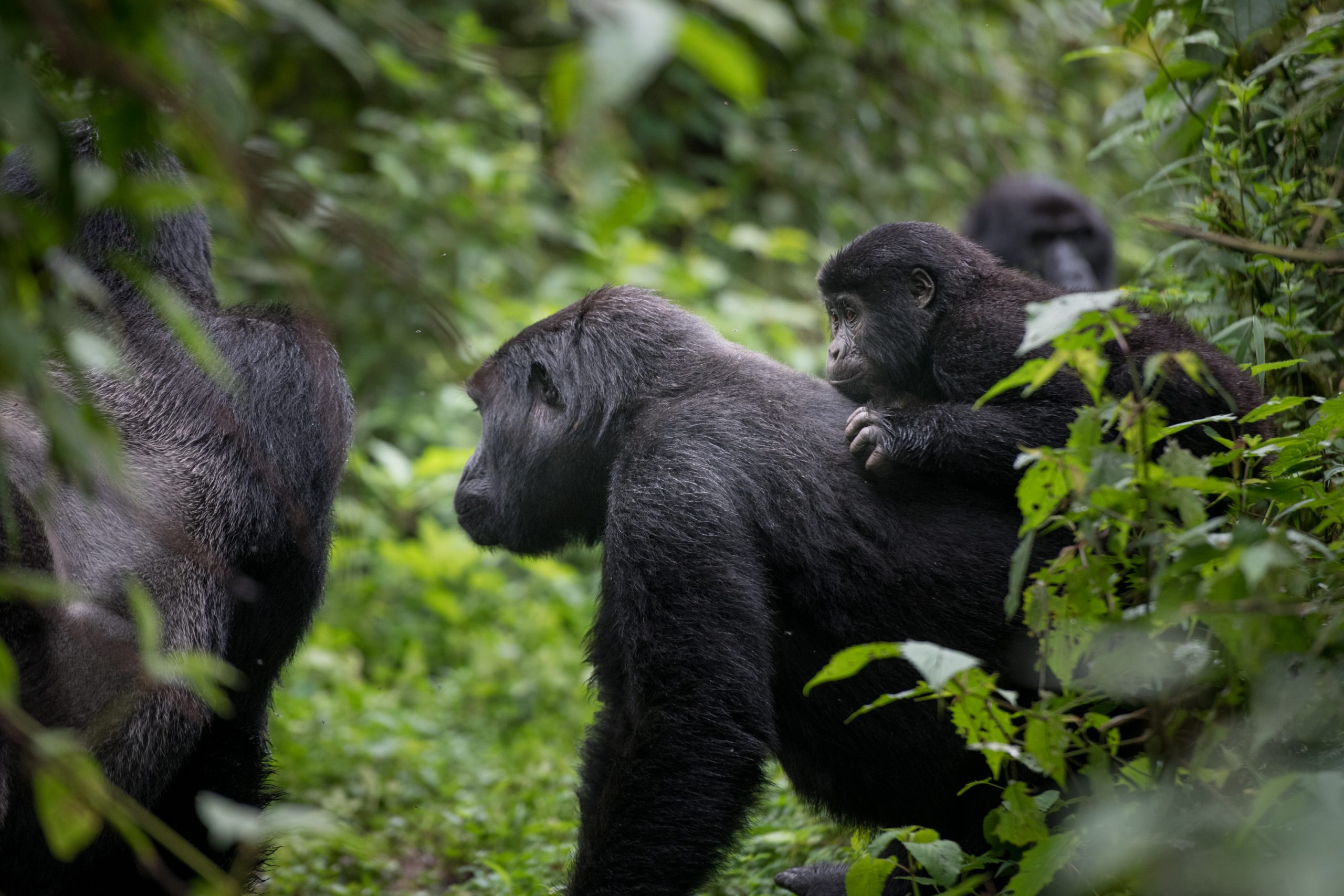
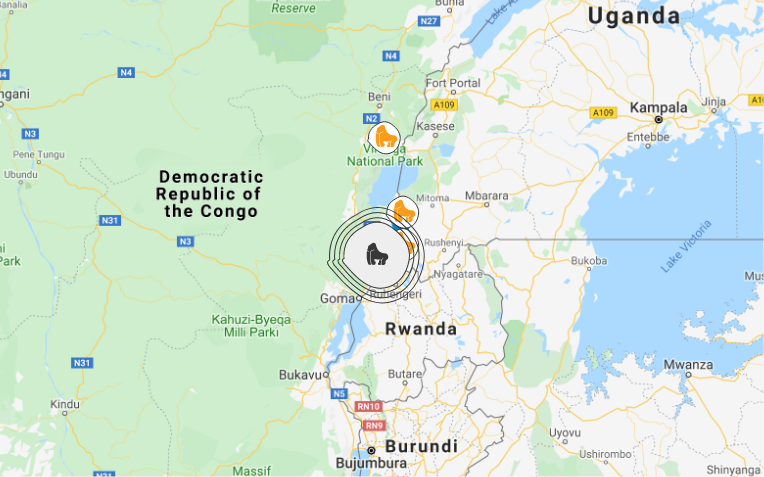
IGCP was formed in 1991 to address the long-term conservation of the mountain gorilla (Gorilla beringei beringei) and its regional afromontane forest habitat in the Virunga Bwindi Landscape. Our aim has been to work together as a single gorilla conservation program in order to expand and consolidate the successes of the Mountain Gorilla Project and other initiatives at a regional level.
Protecting the mountain gorilla and its natural habitat means managing sustainably and tackling threats. We work to reduce risks to mountain gorillas by promoting tourism best practices, empowering park edge communities, and encouraging the range states to adopt a consistent, collaborative approach to conservation policy and legislation, grounded in science.
We continue to play a recognized role as the voice of mountain gorillas and their transboundary habitat and are uniquely positioned to facilitate stewardship and collaborative action in the region.

A Unique Partnership
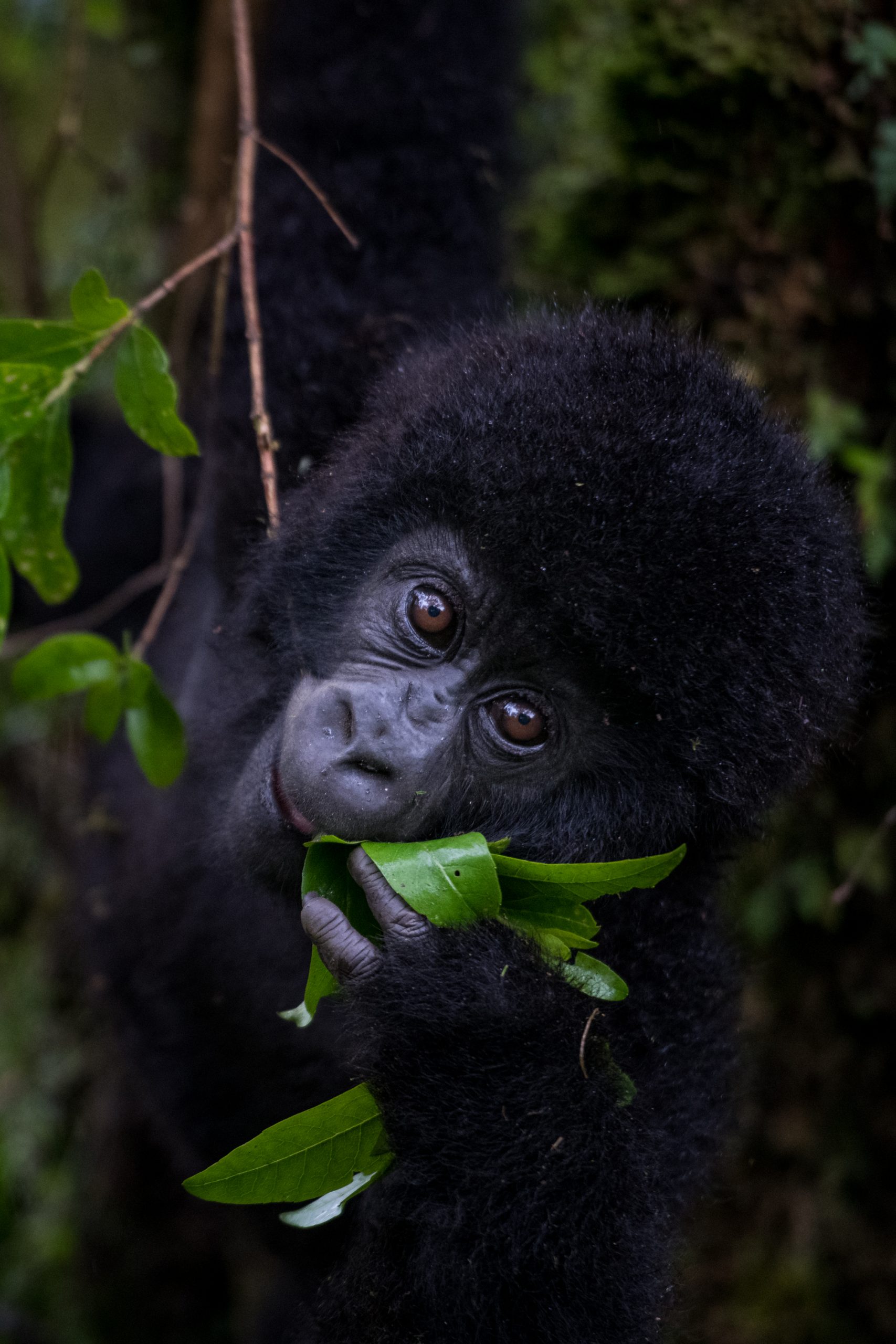
The International Gorilla Conservation Programme is a unique coalition of international conservation organizations, Conservation International, Fauna & Flora International and WWF, joining forces with national and local partners to ensure the long-term survival of the now endangered mountain gorillas.
Our partnership also incorporates the respective protected area authorities of the three countries in which IGCP works: the Rwanda Development Board (RDB), the Uganda Wildlife Authority (UWA), and the Institut Congolais pour la Conservation de la Nature (ICCN).
Our mission is to secure the future for mountain gorillas.
Objectives
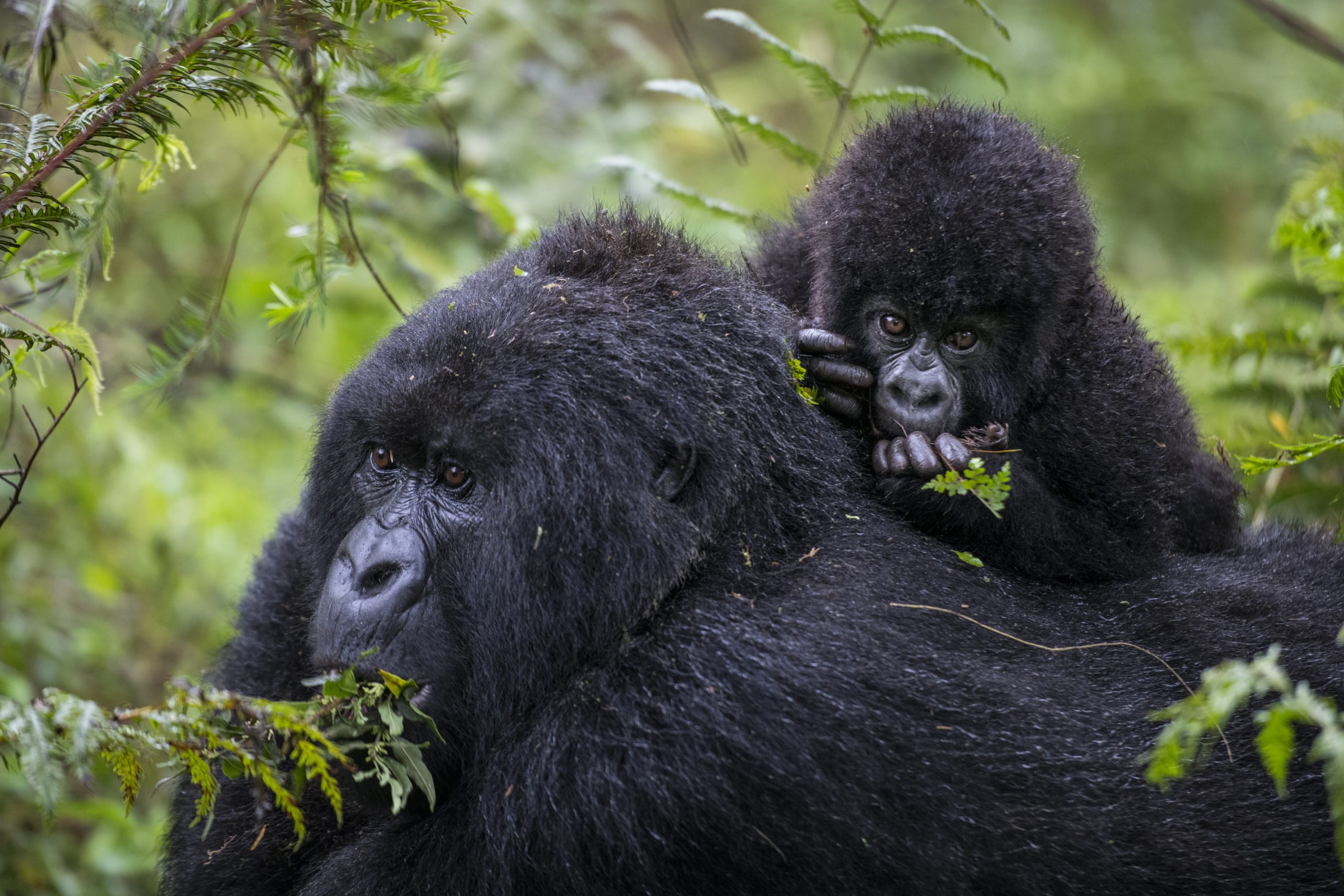
To reduce the threats to mountain gorillas and their forest habitat by creating widespread support for conservation among local communities, interest groups and the general public; and to improve the protection of gorillas and their habitat by encouraging the relevant authorities to adopt a consistent, collaborative approach to conservation policy and legislation throughout the region, grounded in conservation science.
To increase collaboration between the protected area authorities and their partners in the region.